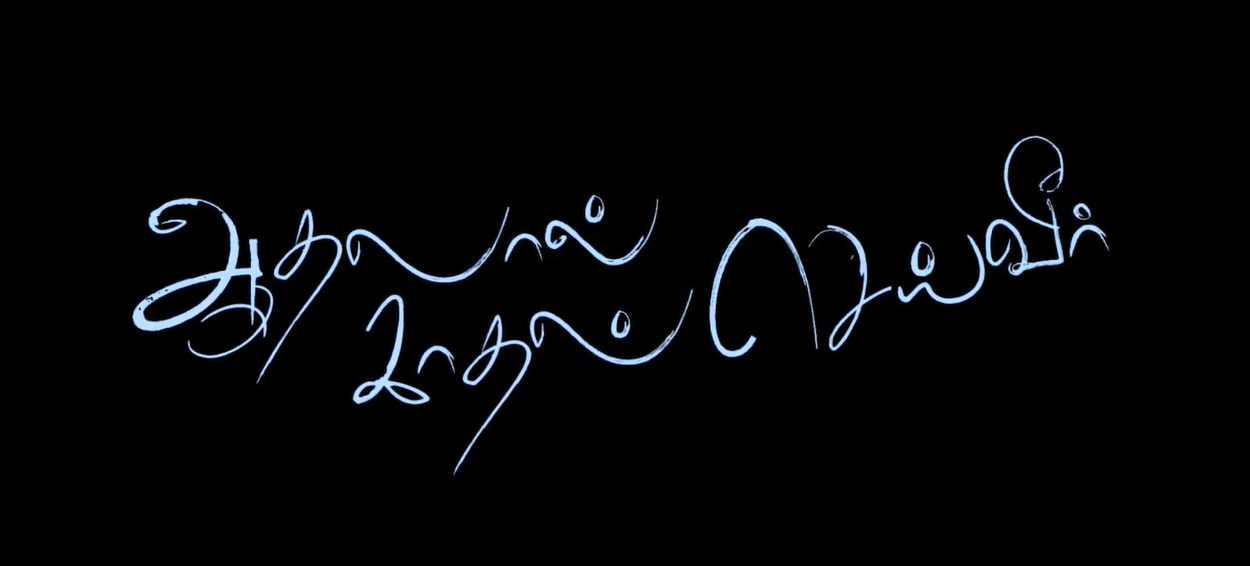
Aadhalaal Kaadhal Seiveer

The Most Loving Choice is the Cautious One

FamilyIntense • Tense • Vulnerable • Relieved

Logline

A one-sentence promise of the film

Amother’soutburstoverherdaughter'spregnancyforcesthefathertoconfesstheirownpainfulpast,revealinganidealchoicethatultimatelyservesasapowerfulcautionarytalefortheboyfriendwhochoseresponsibilityoverrecklessness.The greatest act of love is respect for choice.

Story Overview

Flip between the one-line promise and the one-page story.

Story Overview

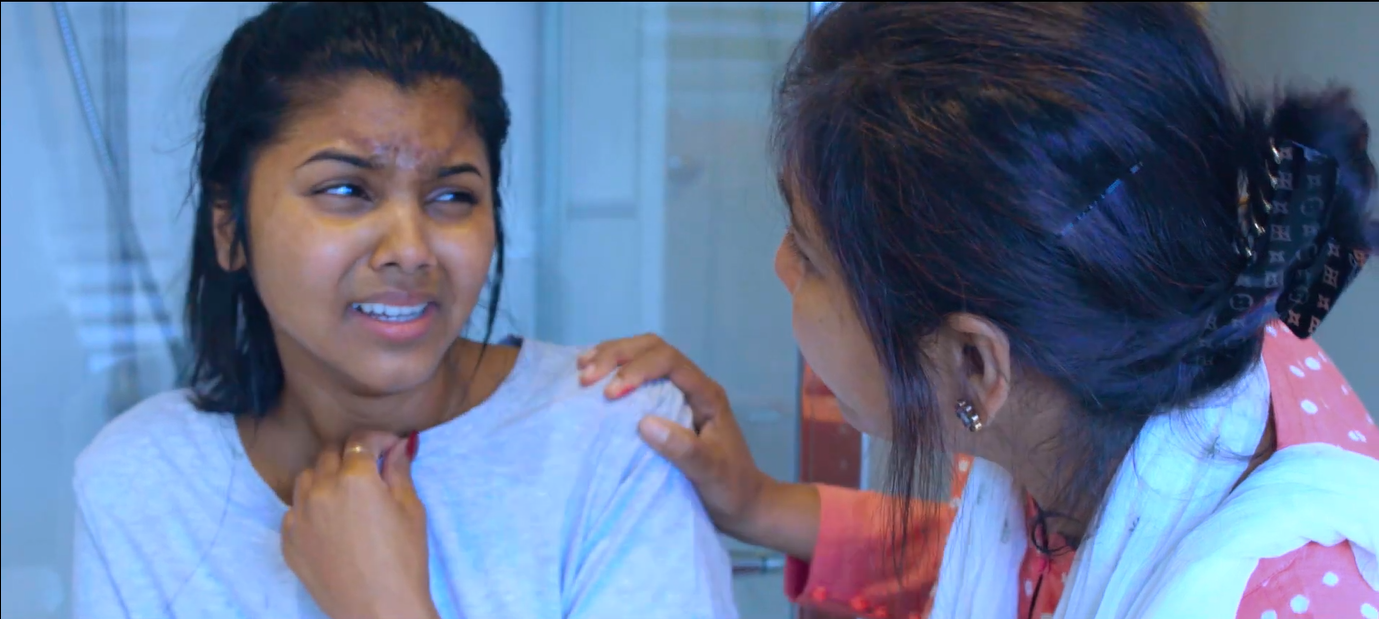
The short film is a structural thought-experiment exploring parental hypocrisy and generational trauma. A teenager's unplanned pregnancy triggers a volcanic, judgmental response from her mother, followed by the father’s cowardly attempt to deflect blame.

This tense confrontation culminates when the father confesses the parents' secret: they, too, faced an unplanned pregnancy in their youth and were forced to have a traumatic abortion due to lack of support. This shared trauma forces the parents to make an **idealized, supportive choice**, granting Preethi full agency over her body and decision.

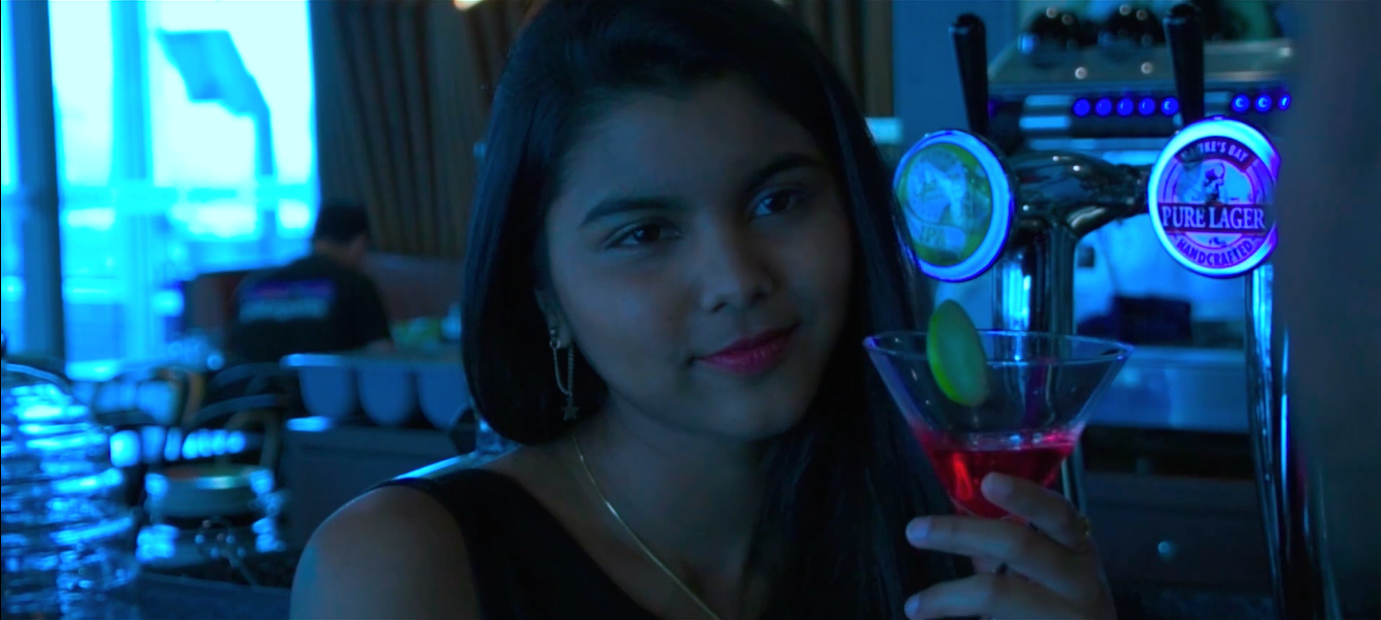
However, the film abruptly **rewinds**. This entire domestic crisis is revealed to be a powerful hypothetical scenario playing out in the mind of Preethi’s boyfriend. Having contemplated the devastating worst-case scenario and the idealized best-case response, he makes his own final, mature choice: he drops a tipsy Preethi at home and leaves, choosing **caution and responsibility** over a moment of recklessness. The film concludes that the true message of love is the conscious decision to protect and respect boundaries.
Story Overview

A family is thrown into crisis by the discovery of Preethi’s pregnancy. The Mother’s reaction is raw fury and shame, while the Father’s is defensive blame. The air is toxic with judgment until the Father is forced to reveal his and the Mother’s suppressed trauma: an abortion they were forced to undergo early in their marriage, which they believe cursed their subsequent attempts to conceive.

This painful truth forces them into a moment of collective healing, where they transcend their hypocrisy and offer Preethi unconditional support and agency over her decision. The power of this moment is its emotional clarity.

But the film structurally pivots: the entire domestic explosion is revealed to be a thought process inside the mind of Preethi’s boyfriend as he drives her home. Having seen the potential devastation (Stage 1) and the necessary, ideal response (Stage 2), he chooses the safest path of all. The film concludes by presenting the boyfriend’s choice—to avoid the situation entirely by leaving her—as the most responsible and mature form of love. The final message is a powerful commentary on respect, choice, and responsibility in modern relationships.

Story Overview

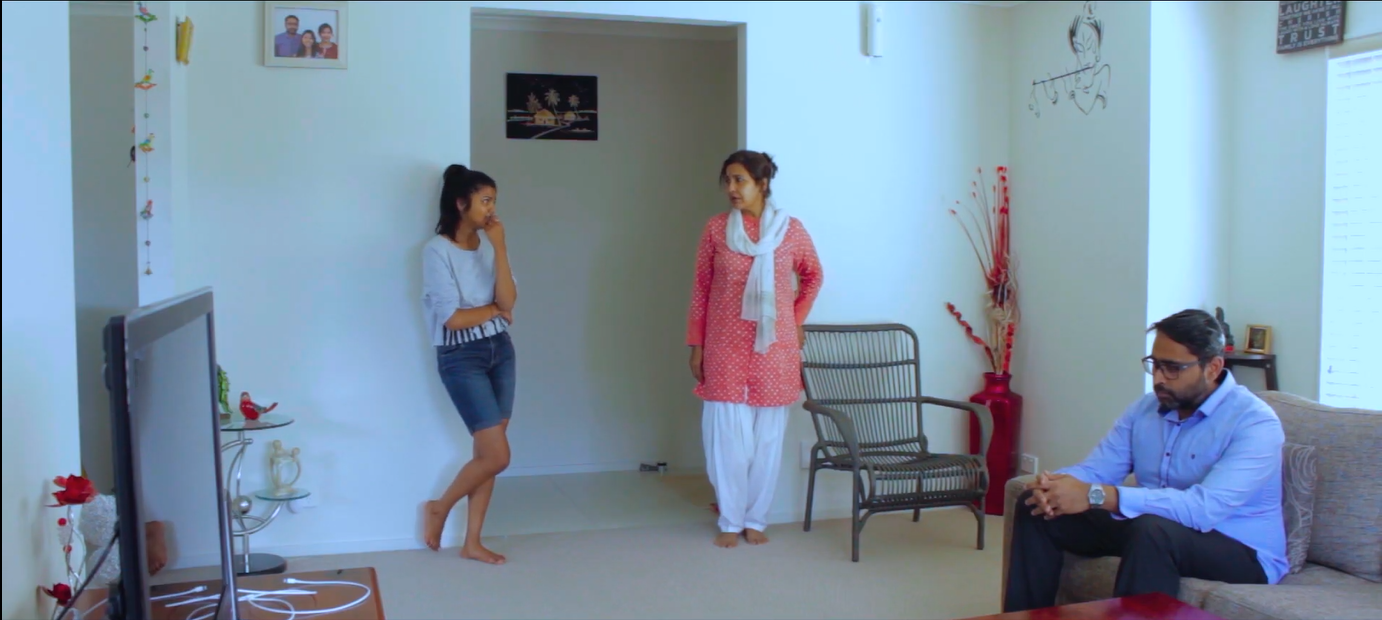
The short film is a structural thought-experiment exploring parental hypocrisy and generational trauma. A teenager's unplanned pregnancy triggers a volcanic, judgmental response from her mother, followed by the father’s cowardly attempt to deflect blame.

This tense confrontation culminates when the father confesses the parents' secret: they, too, faced an unplanned pregnancy in their youth and were forced to have a traumatic abortion due to lack of support. This shared trauma forces the parents to make an **idealized, supportive choice**, granting Preethi full agency over her body and decision.

However, the film abruptly **rewinds**. This entire domestic crisis is revealed to be a powerful hypothetical scenario playing out in the mind of Preethi’s boyfriend. Having contemplated the devastating worst-case scenario and the idealized best-case response, he makes his own final, mature choice: he drops a tipsy Preethi at home and leaves, choosing **caution and responsibility** over a moment of recklessness. The film concludes that the true message of love is the conscious decision to protect and respect boundaries.
Story Overview

A family is thrown into crisis by the discovery of Preethi’s pregnancy. The Mother’s reaction is raw fury and shame, while the Father’s is defensive blame. The air is toxic with judgment until the Father is forced to reveal his and the Mother’s suppressed trauma: an abortion they were forced to undergo early in their marriage, which they believe cursed their subsequent attempts to conceive.

This painful truth forces them into a moment of collective healing, where they transcend their hypocrisy and offer Preethi unconditional support and agency over her decision. The power of this moment is its emotional clarity.

But the film structurally pivots: the entire domestic explosion is revealed to be a thought process inside the mind of Preethi’s boyfriend as he drives her home. Having seen the potential devastation (Stage 1) and the necessary, ideal response (Stage 2), he chooses the safest path of all. The film concludes by presenting the boyfriend’s choice—to avoid the situation entirely by leaving her—as the most responsible and mature form of love. The final message is a powerful commentary on respect, choice, and responsibility in modern relationships.

Three-Act Structure
Judgment and Shame

Stage 1 — The Worst Reaction

Judgment and Shame

The immediate, toxic fallout of parental fear.

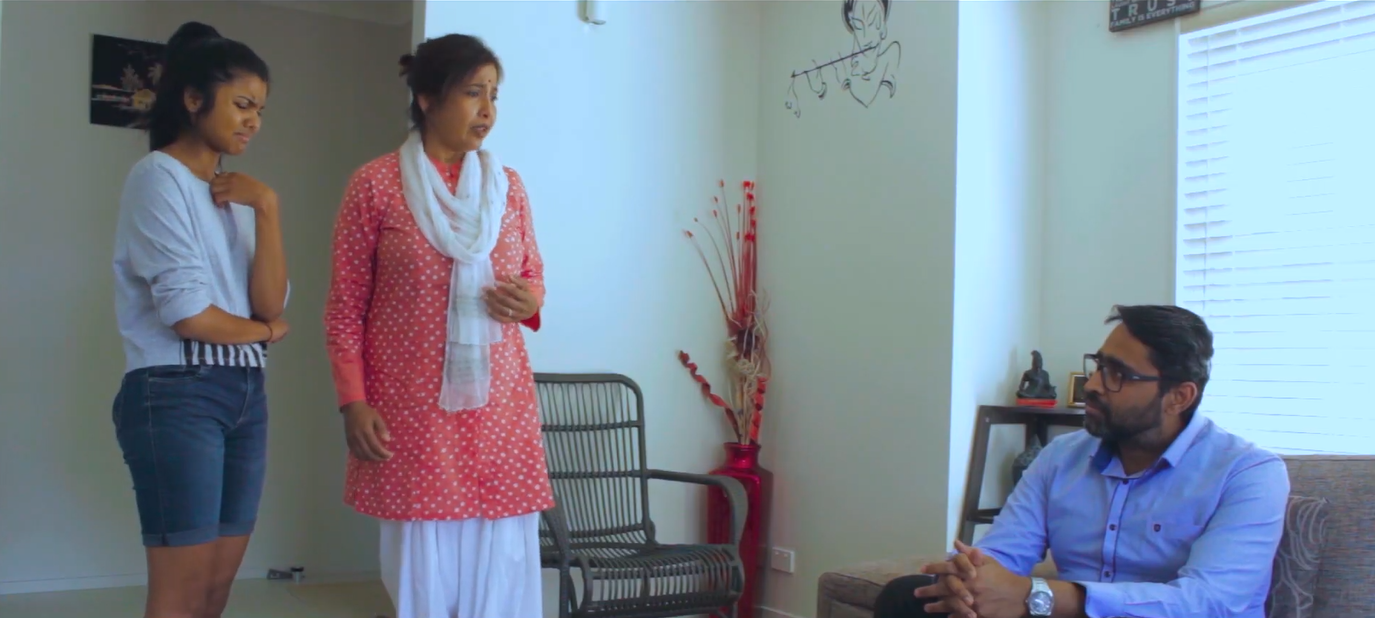
  • Mother discovers the pregnancy test and explodes in shame and anger.
  • Father arrives and deflects all blame onto the Mother's perceived failures.
  • Preethi is left condemned, with nowhere to turn.
Trauma, Confession, and Agency

Stage 2 — The Ideal Choice

Trauma, Confession, and Agency

The ideal parental response, born of shared pain.

  • Father confesses his and Mother's traumatic, secret history of a forced abortion.
  • The shared pain breaks the cycle of hypocrisy.
  • Parents grant Preethi full agency over her body, promising unconditional support.
The Rewind and the Real Decision

Stage 3 — The Responsible Choice

The Rewind and the Real Decision

The entire drama is a thought experiment.

  • The structural rewind reveals the crisis was a hypothesis in the boyfriend's mind.
  • Boyfriend chooses caution and responsibility over recklessness.
  • The final act: respect for boundaries is affirmed as the highest form of love.

Characters

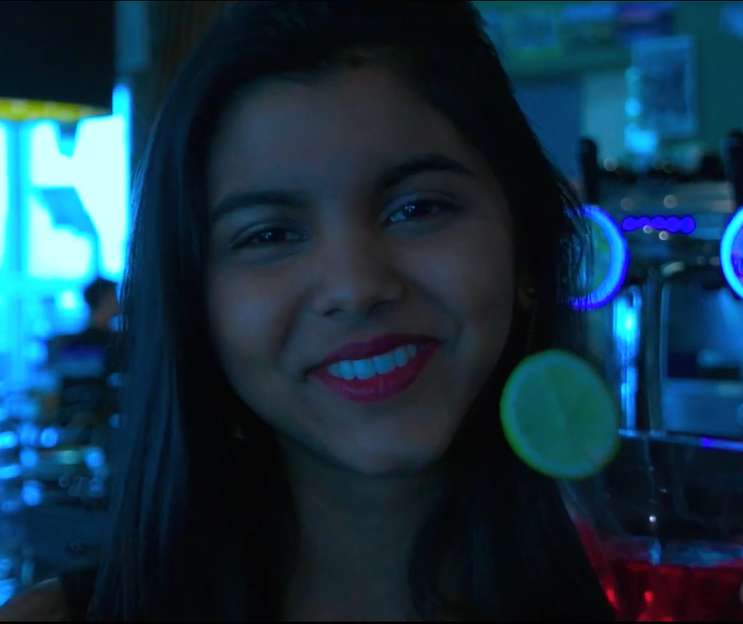
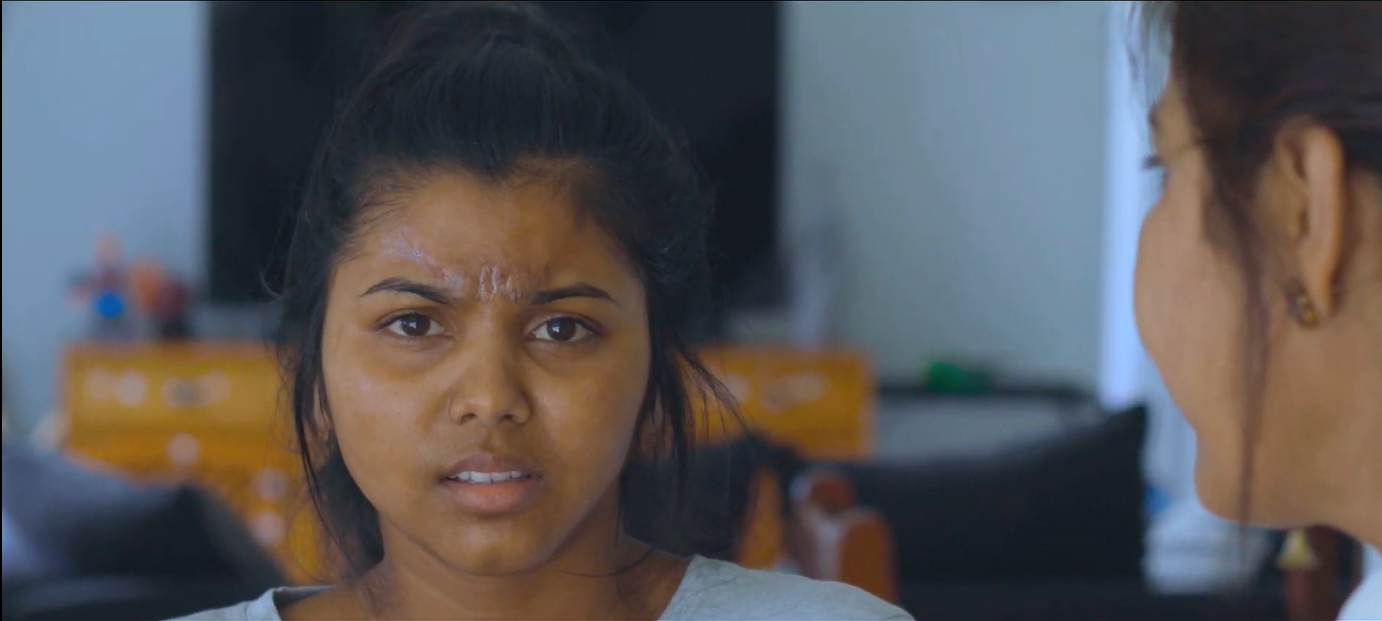
Preethi portrait

Preethi

vulnerable • guilt-ridden

The daughter who becomes the focus of her parents' projected shame and past trauma.

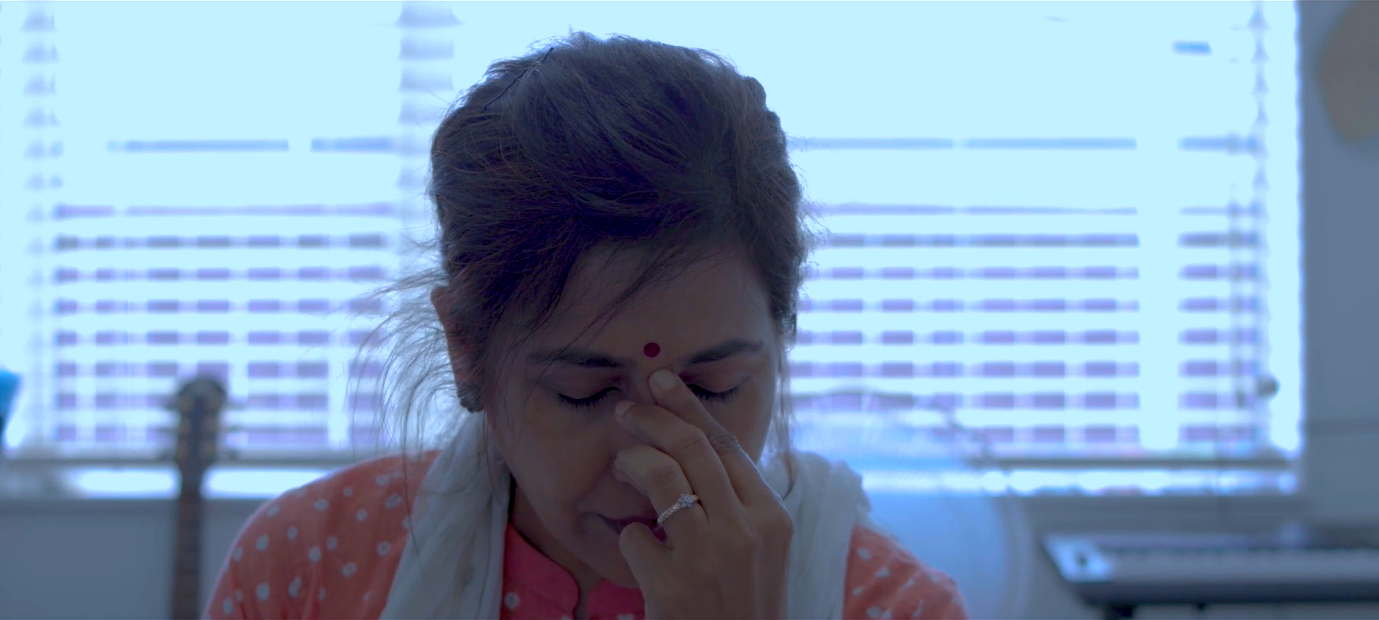
Mother portrait

Mother

emotional • defensive

Her initial rage masks a deep, unresolved pain from her own past choices.

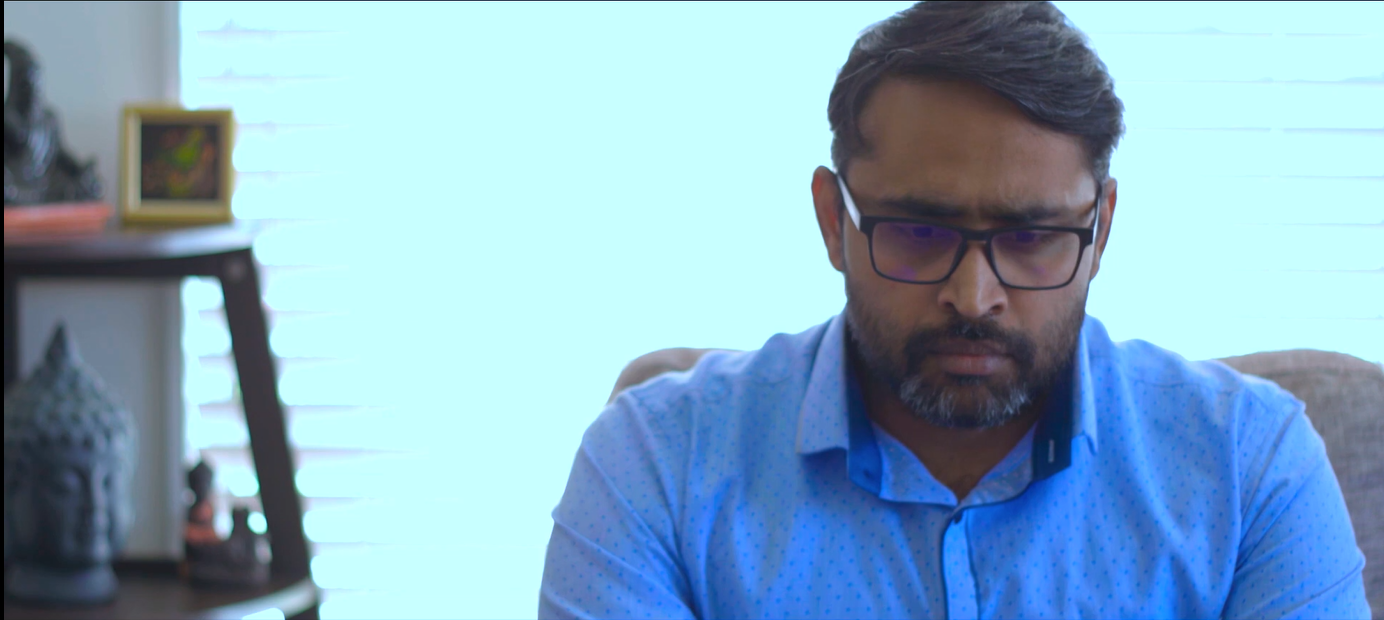
Father portrait

Father

cowardly • traumatized

Deflects blame until forced to confront the sacrifice he and his wife made years ago.

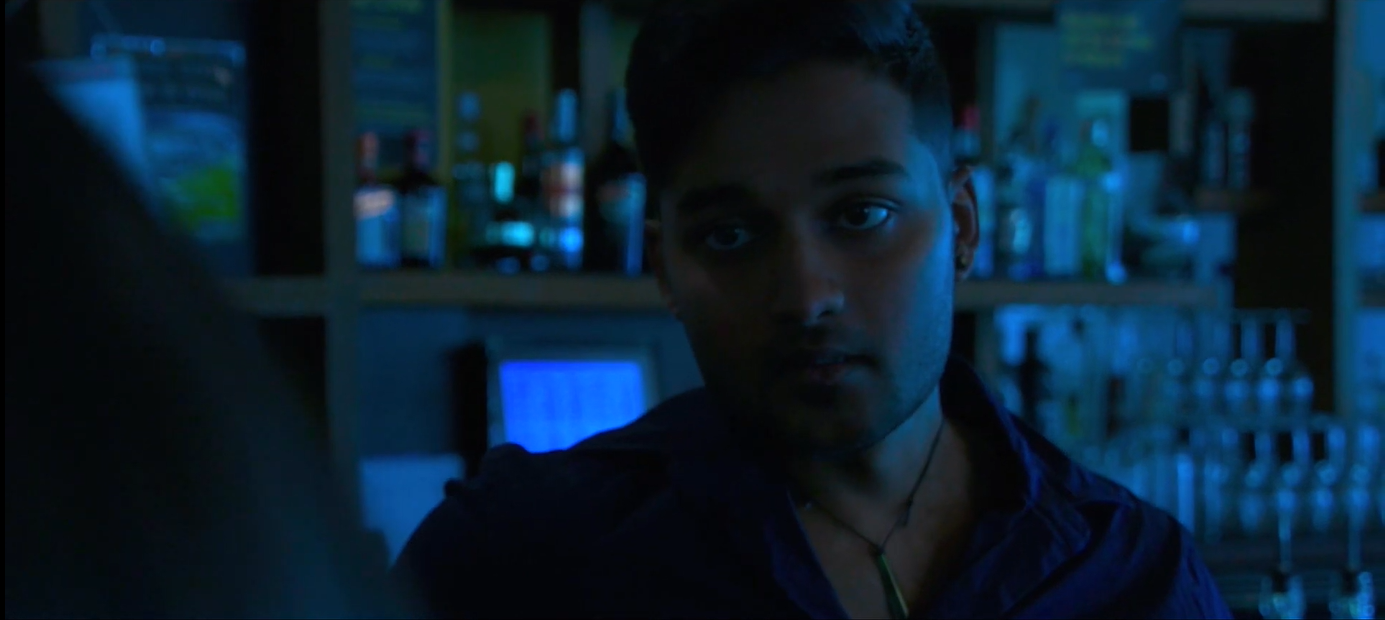
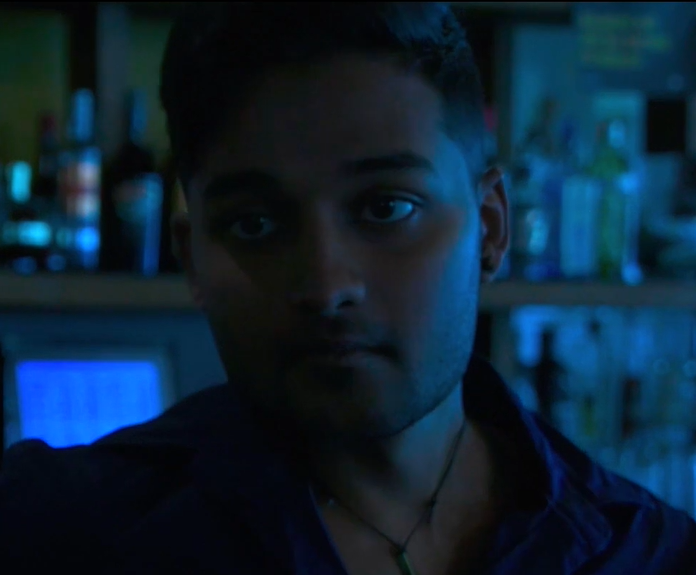
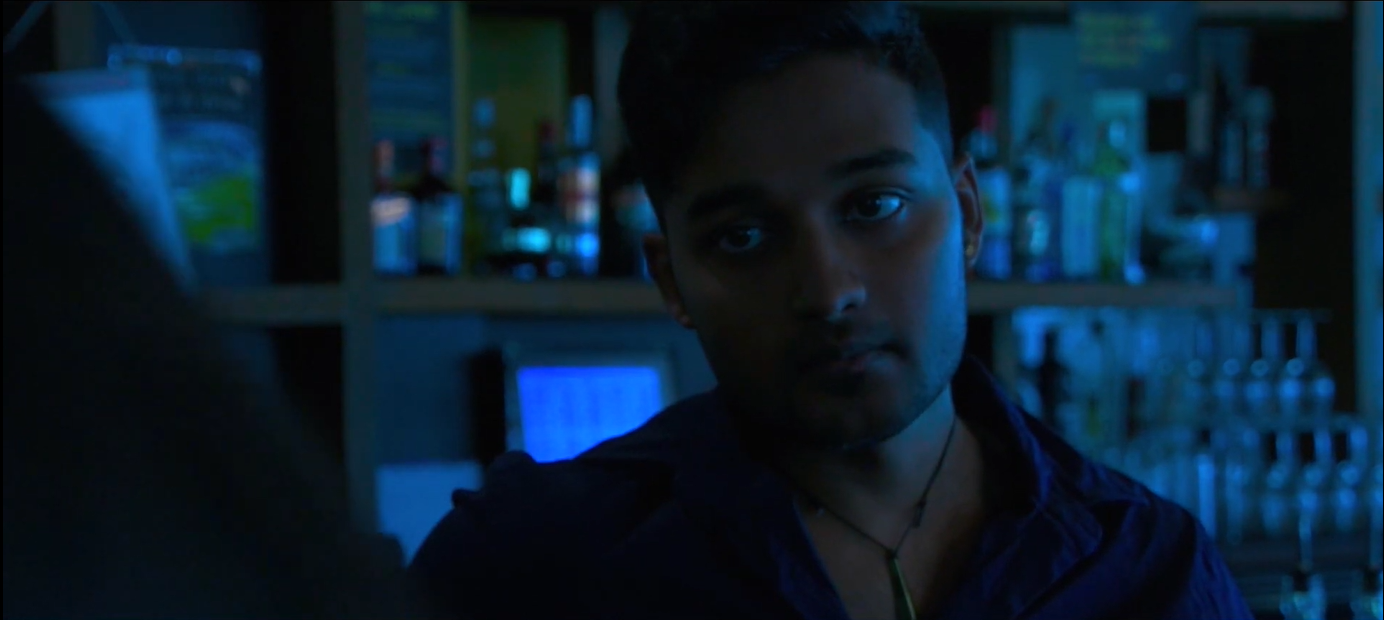
Boyfriend portrait

Boyfriend

cautious • responsible

The mature mind who prevents the drama by choosing caution over recklessness.

Emotional Journey

Shame

Shame

The initial shock and the explosion of parental judgment.

Exposure

Exposure

The hidden past trauma is revealed to break the cycle.

Acceptance

Acceptance

The mother and father grant agency and offer unconditional support.

Caution

Caution

The structural rewind and the sober realization of risk.

Maturity

Maturity

The choice for responsibility—the most mature act of love.

Creator note background
Creator’s Note

The highest form of love is responsibility.

We set out to challenge the immediate, judgmental reaction to social issues.

The drama is designed as a thought process, a terrifying worst-case scenario that forces us to contemplate the consequence of recklessness.

The true hero is the choice—the decision to protect boundaries and respect the future.

A responsible 'no' is louder and more mature than a reckless 'yes'.

Krithika - Bhaskar